Getting quotes for a re-roof is confronting. Restoration usually costs a fraction of it, which is why it deserves a proper look before you commit — but it isn't the answer for every roof, and any contractor who says otherwise is selling.
Here's how we assess it.
When restoration is the right call
If the tiles themselves are structurally sound, restoration nearly always wins on value.
- Tiles intact with only isolated cracks or chips
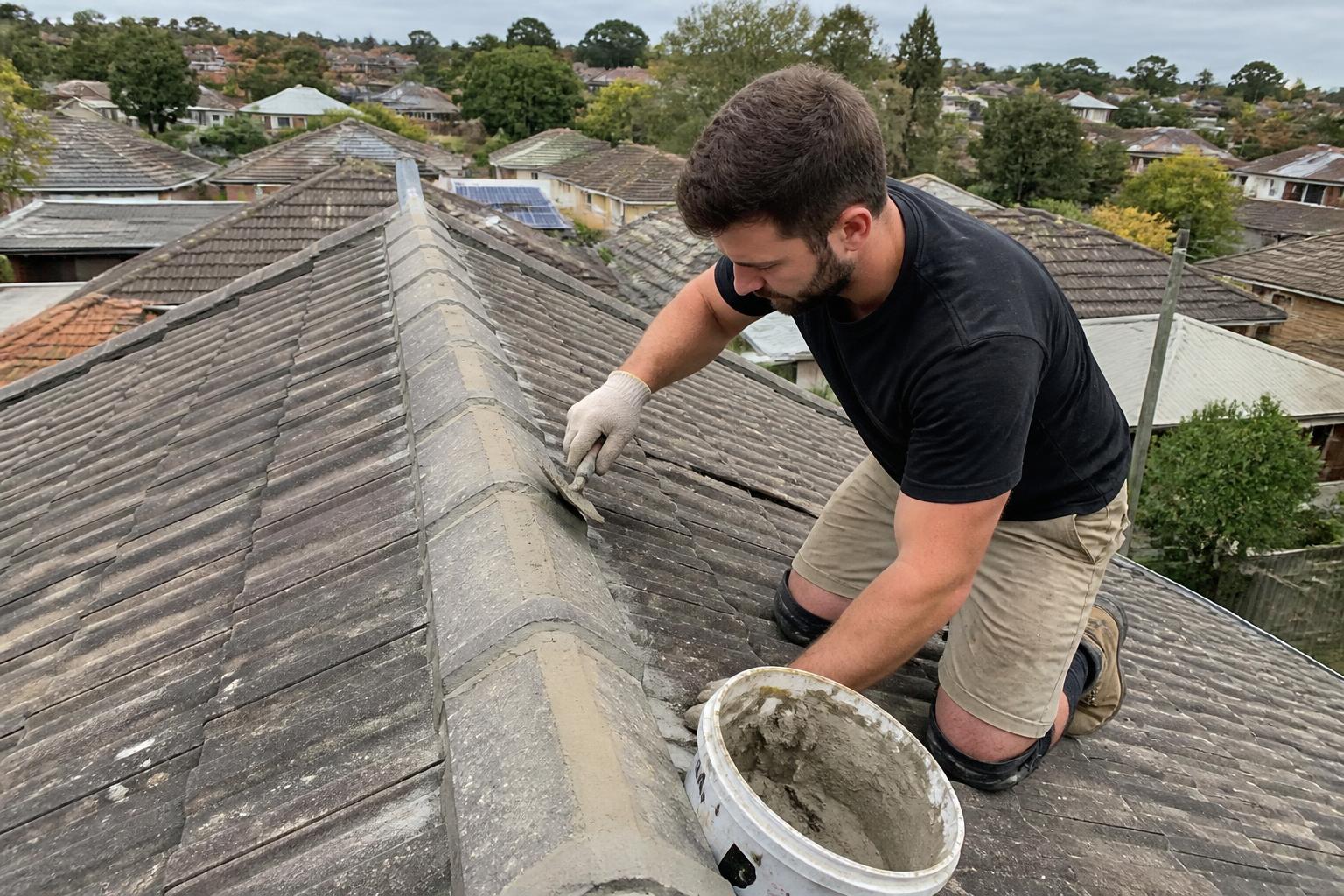
- Failed pointing and bedding on ridges and hips
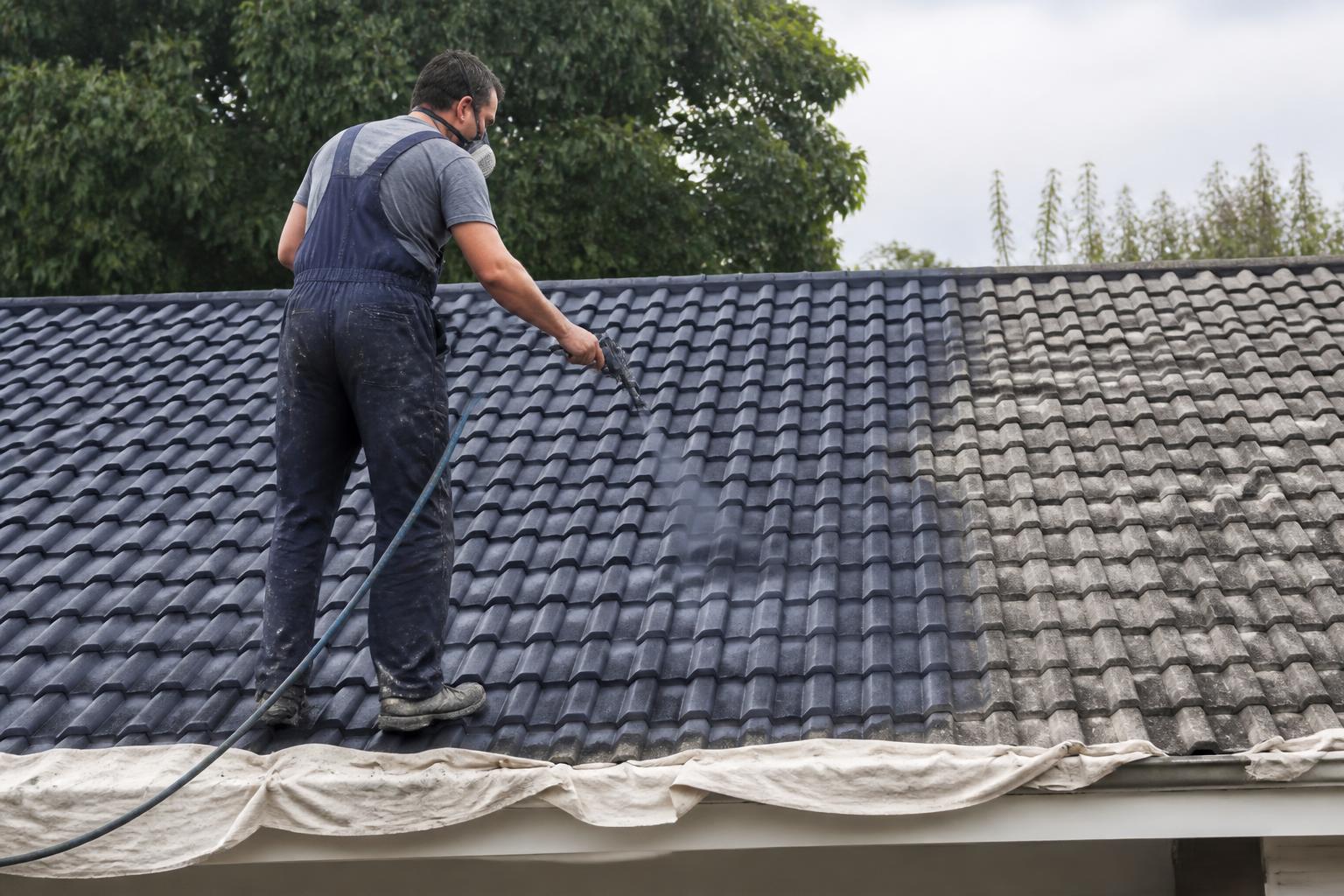
- Faded or chalked surface coating on cement tiles
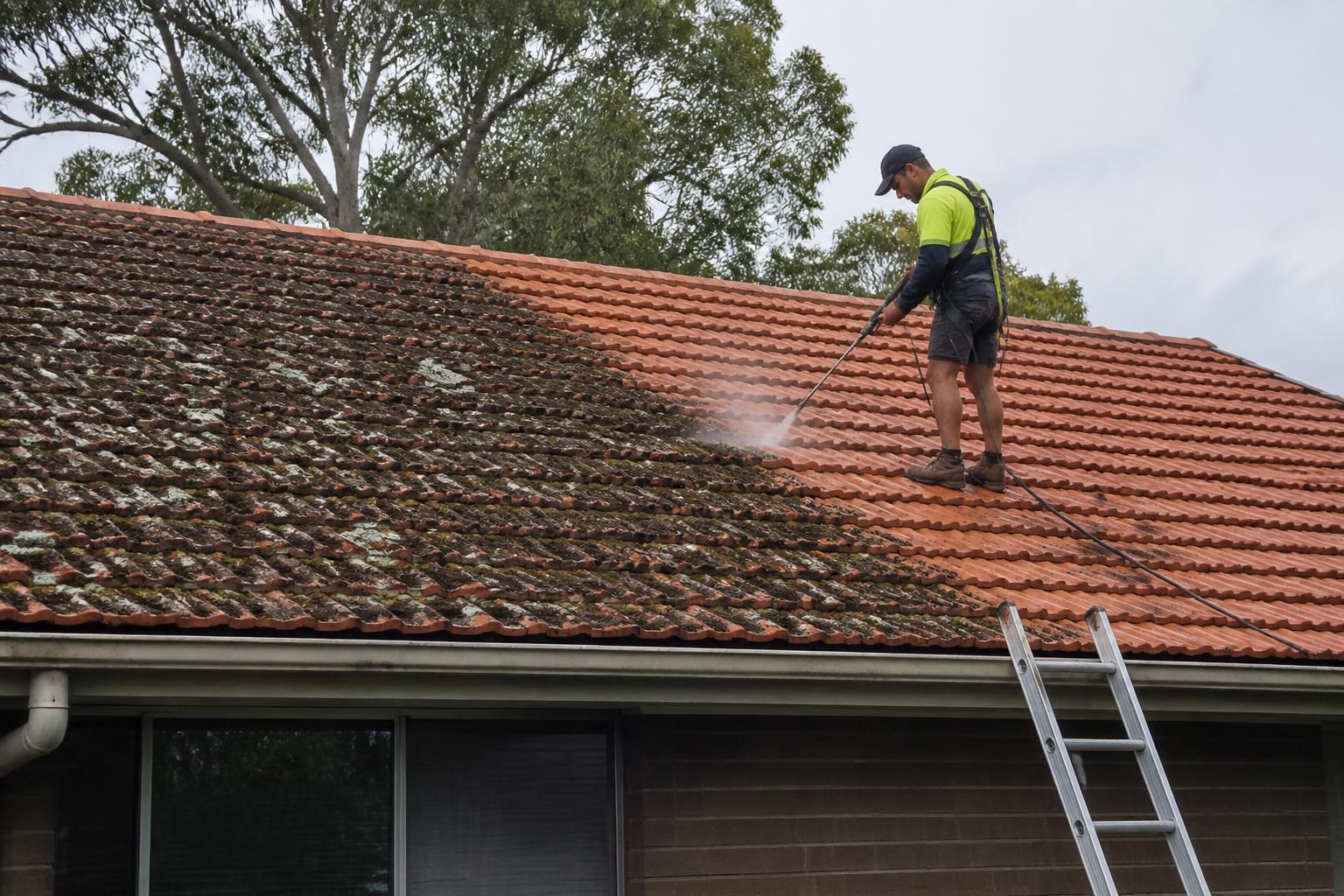
- Heavy lichen and moss but no structural movement
- Rusted valley irons that can be replaced individually
- Roof battens and structure in sound condition
When replacement is the honest answer
Some conditions can't be coated over, and we'll tell you when we see them.
- Widespread tile failure — spalling, delaminating or crumbling
- Sagging roof lines indicating batten or structural failure
- Extensive water damage to sarking, timbers or ceilings
- A tile profile with no replacement stock available at scale
- Multiple failed coatings already built up on the tiles
What a restoration actually involves
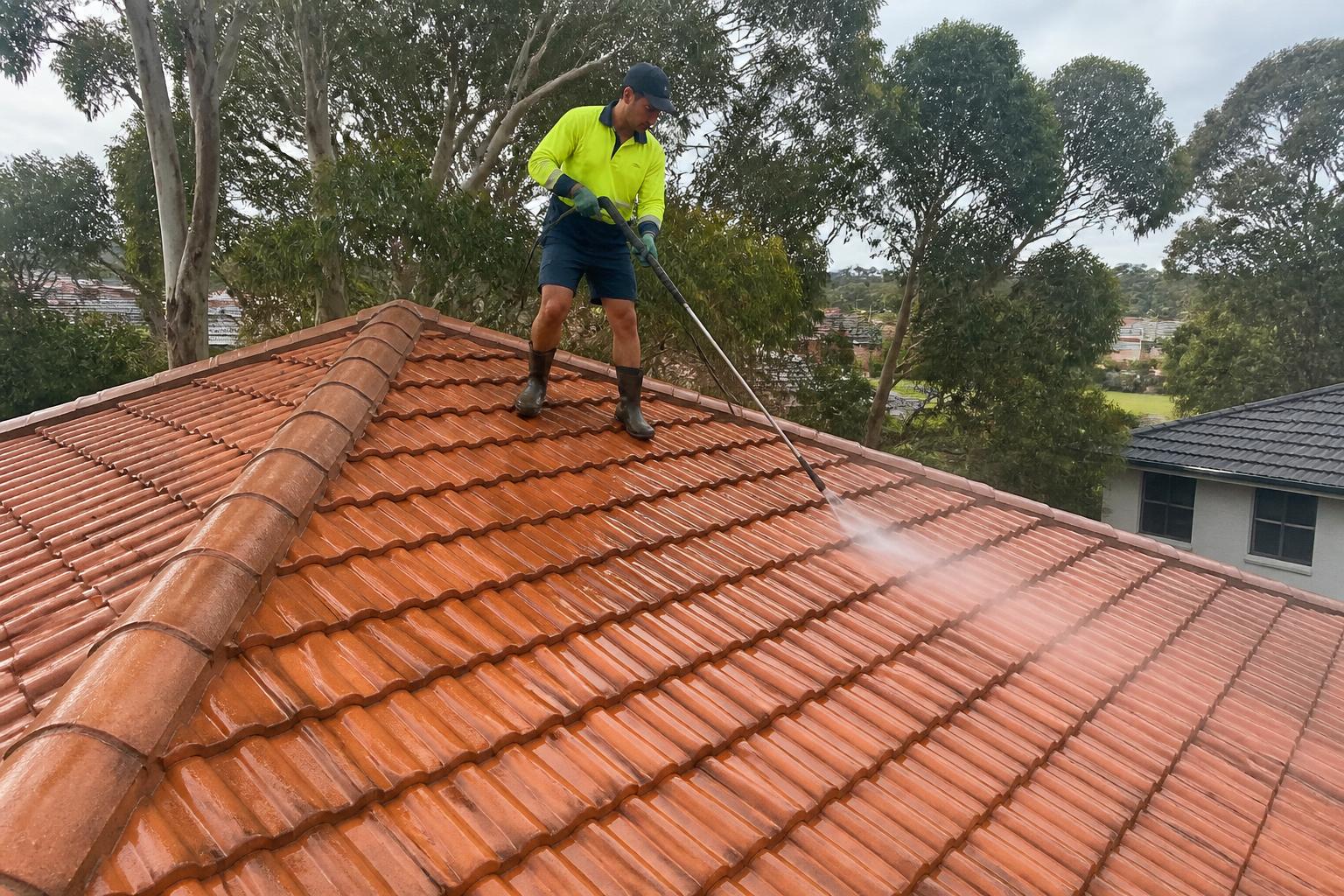
Clean and lichen treatment, replacement of broken tiles, rebedding of ridge capping where the mortar has failed, flexible repointing, valley replacement where needed, then a sealer coat and two membrane top coats on cement tile roofs.
Three to five working days for a typical single-storey home, weather permitting — coating and pointing both need dry conditions.
How long each option lasts
A properly executed restoration on cement tile typically holds up for 10 to 15 years. Terracotta restorations last longer because there's no coating to weather. A new roof should give you 40 years or more. That gap is real — but so is the cost gap, and restoring twice is still cheaper for most homeowners.
Need this done?
Free quote, fixed price, no obligation
We cover 183 Sydney suburbs. Send photos and we'll usually quote without a site visit.